
Office Address
16 Renshaw Ave
Auburn NSW 2144
Phone Number
0410 157 123
Email Address
sumesh@smartserve.au
binod@smartserve.au


16 Renshaw Ave
Auburn NSW 2144
0410 157 123
sumesh@smartserve.au
binod@smartserve.au
 by Smart Serve
Choosing a strata cleaner is one of the most common jobs for a strata manager or building committee. A good cleaner keeps common areas safe and tidy and keeps residents happy. A poor one creates complaints, extra work and risk for the owners corporation.
This checklist is for strata managers, committee members and building managers in Western Sydney, including Parramatta, Auburn, Blacktown and nearby suburbs. Use it when you compare quotes or review your current cleaner.
Table of contents [Show]
Each point is explained below.
Ask every cleaner for a certificate of currency for public liability insurance. Check three things on it: the business name matches the quote, the expiry date has not passed, and the cover amount meets what your building or strata manager requires.
Also ask for proof of workers compensation insurance. In NSW this is usually a policy with icare. If a cleaner is hurt on site and their employer has no cover, it can cause problems for everyone involved.
Put a reminder in your calendar to ask for new certificates each year when they renew.
Look up the ABN on the free ABN Lookup website. Check that it is active and that the name matches. Then look for a real address, a landline or a business phone, and reviews on Google from other buildings or businesses.
Strata cleaning includes some risky tasks: wet floors in busy lobbies, chemicals in bin rooms, high glass and car park work near moving cars. Ask the cleaner:
Certification such as ISO 45001 (health and safety) shows the cleaner runs an audited safety system. It is not required by law, but it is a good sign. Ask for the certificate and check it is current.
Most complaints come from a scope that was never written down. Before you sign, get a list of every area and task with a frequency for each. This also makes quotes easy to compare, because every cleaner is pricing the same work.
Here is a simple starting point. Every building is different, so adjust it to the number of residents, the foot traffic and your budget.
| Area | Typical tasks | Common starting frequency |
|---|---|---|
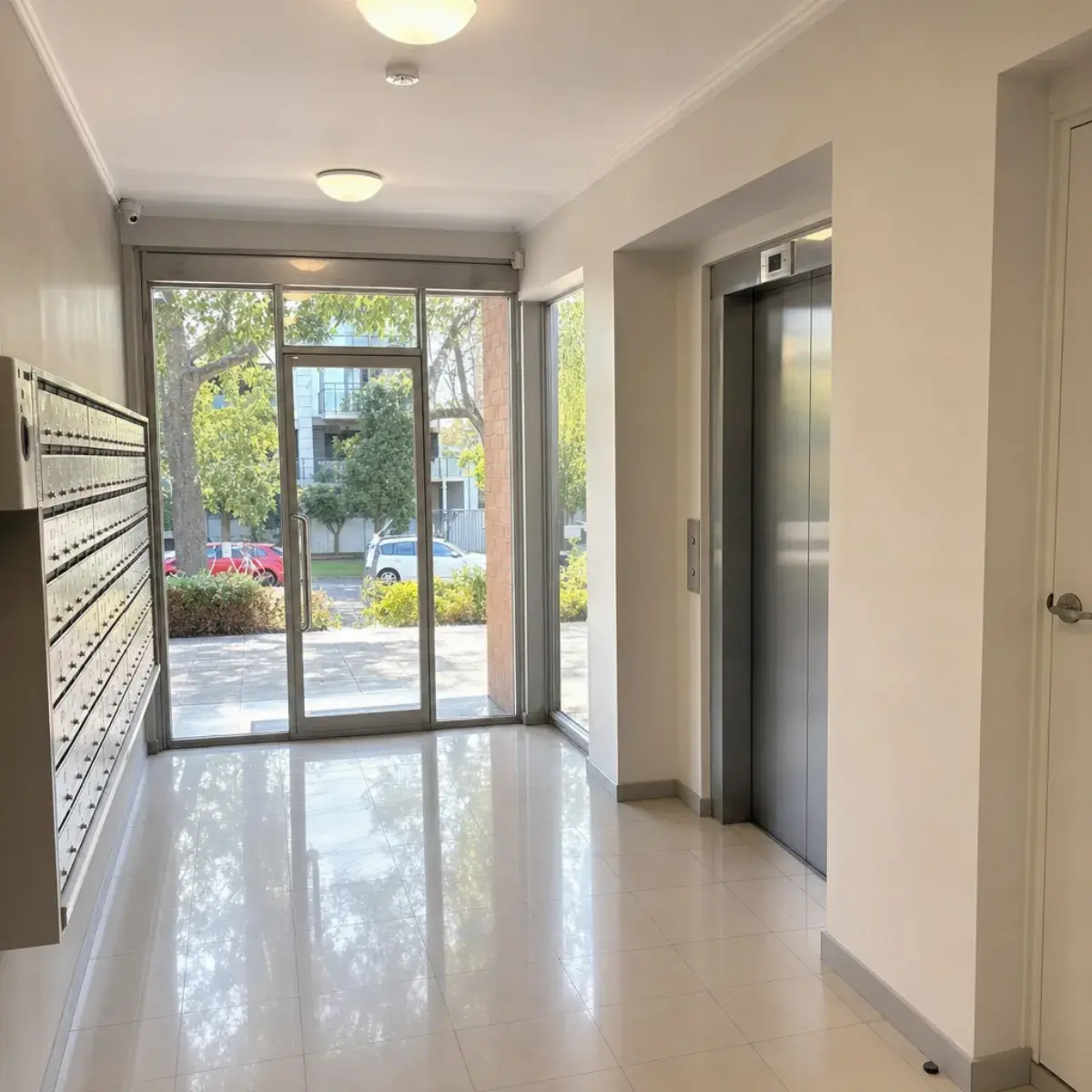
| Entrance lobby and foyer | Mop floors, clean entry glass, wipe letterboxes, empty bins | Weekly, or more for busy buildings |
| Lifts | Clean floor, walls, mirrors and buttons | Weekly |
| Stairwells and corridors | Vacuum or mop, wipe handrails, spot clean walls | Weekly or fortnightly |
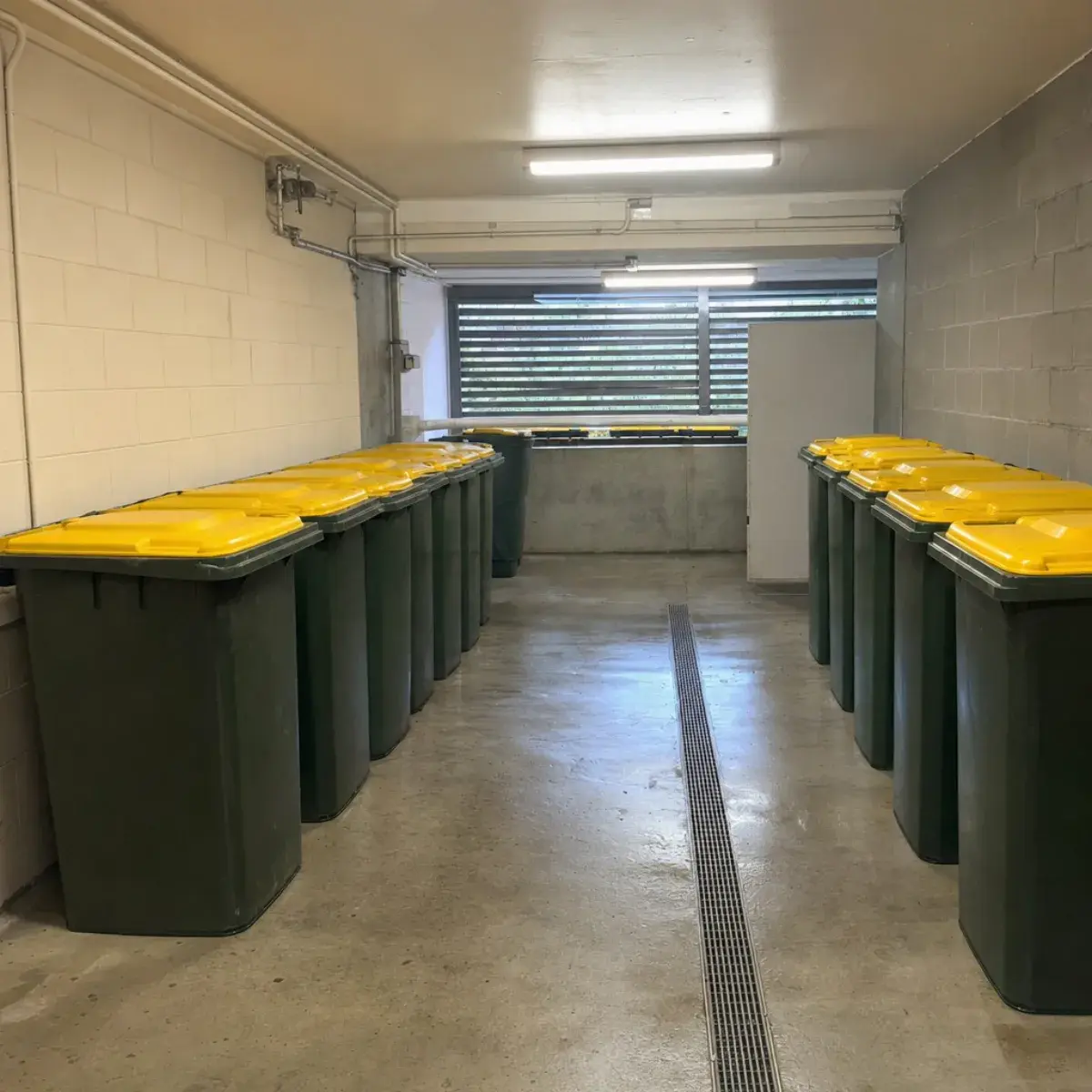
| Bin rooms | Sweep, wash floor, clean spills, check for pests | Weekly |
| Car park | Sweep or blow, remove rubbish, clean oil spots | Monthly or quarterly |
| Common windows and glass | Clean glass that can be reached safely | Monthly or quarterly |
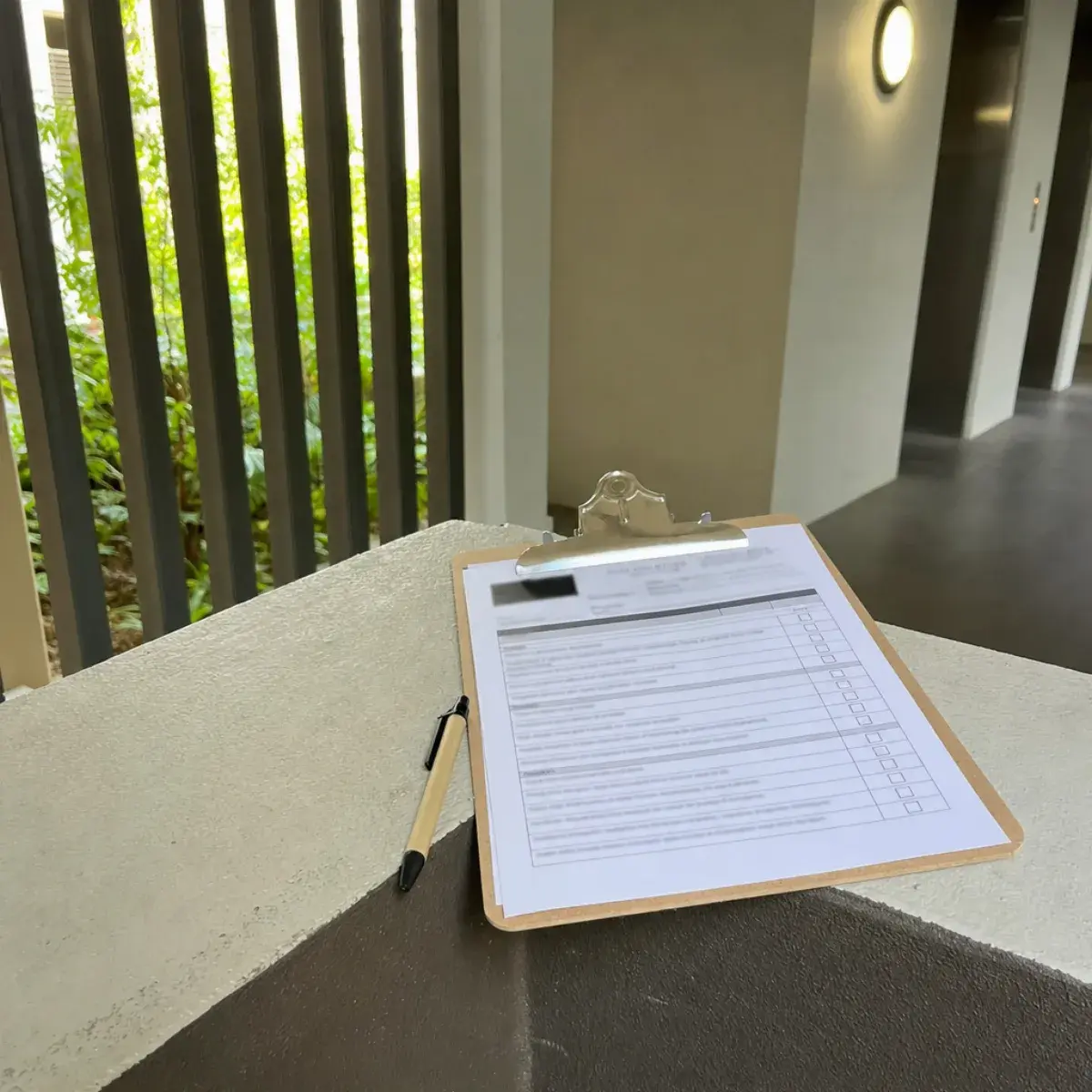
You are not on site when the cleaner is. So ask how they prove each visit was done. Good options are a signed checklist for each visit, photos of key areas, or a logbook kept on site.
These records help when a resident complains, and they are useful at the AGM when the committee reviews the cleaning contract.
Ask who your contact person will be, and how quickly they reply to a complaint. Ask how residents or the building manager can report a problem, such as a spill in the lift. A cleaner who answers the phone and fixes problems fast is worth more than a slightly cheaper one who does not.
Agree on cleaning times that suit residents. Many buildings choose early morning or during the working day, when fewer people are around. Agree how the cleaner gets keys or fobs, where they can store equipment, and who to call if they cannot get in.
Ask what products the cleaner uses, and whether they are safe for residents, children and pets in shared areas. Certification such as ISO 14001 (environmental management) shows the cleaner has an audited system for how they choose and use products.
Most buildings start with a weekly clean of the lobby, lifts, corridors and bin rooms, and less often for car parks and windows. Busy buildings, or buildings with shops at street level, usually need more.
Usually the strata committee or the strata manager, on behalf of the owners corporation. Check your own building's rules and agreements with your strata manager.
Only if it covers the same written scope and passes the checks above. A low price with no scope, no insurance proof or no records often costs more later in complaints and re-cleaning.
Smart Serve is a commercial cleaning company based in Auburn. We clean strata buildings across Western Sydney, including Parramatta, Auburn and Blacktown. We are ISO 9001, ISO 14001 and ISO 45001 certified, carry $20 million public liability insurance and iCare workers insurance, and give strata managers signed checklists and cleaning records.
See our strata cleaning services, or call 0410 157 123 for a free site visit and written quote.